MotionMend
Real-Time Feedback for At-Home Physical Therapy
Narrowing Down the Focus of the Game
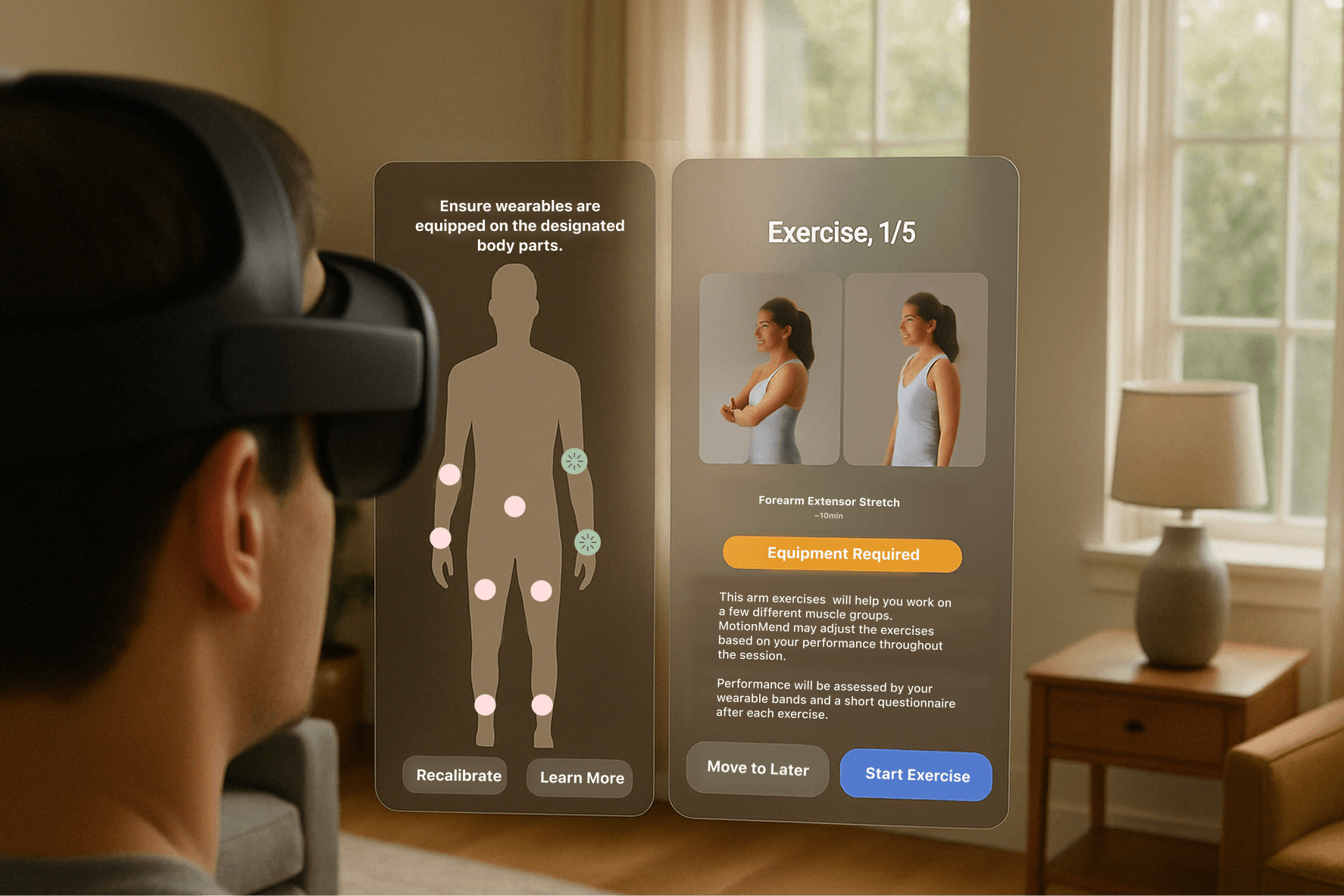
Data is utilized by MotionMend to provide recommended exercise accommodations
MotionMend identifies where sensors are needed to ensure accuracy & precision
Demos are pre-loaded prior to the day's exercise.
Modifications ensure patients stay on track with their treatment
Bad posturing can worsen symptoms
CONTEXT
Why Physical Therapy?
About
6 to 10 Adults
live with a chronic disease in the U.S
About
47% of Adults
with disabilities get no physical activity at all
An Estimated
$145 Billion
in global healthcare costs due to inactivity
Analyzing Physical Therapy In-Person
Where does Treatment Start?
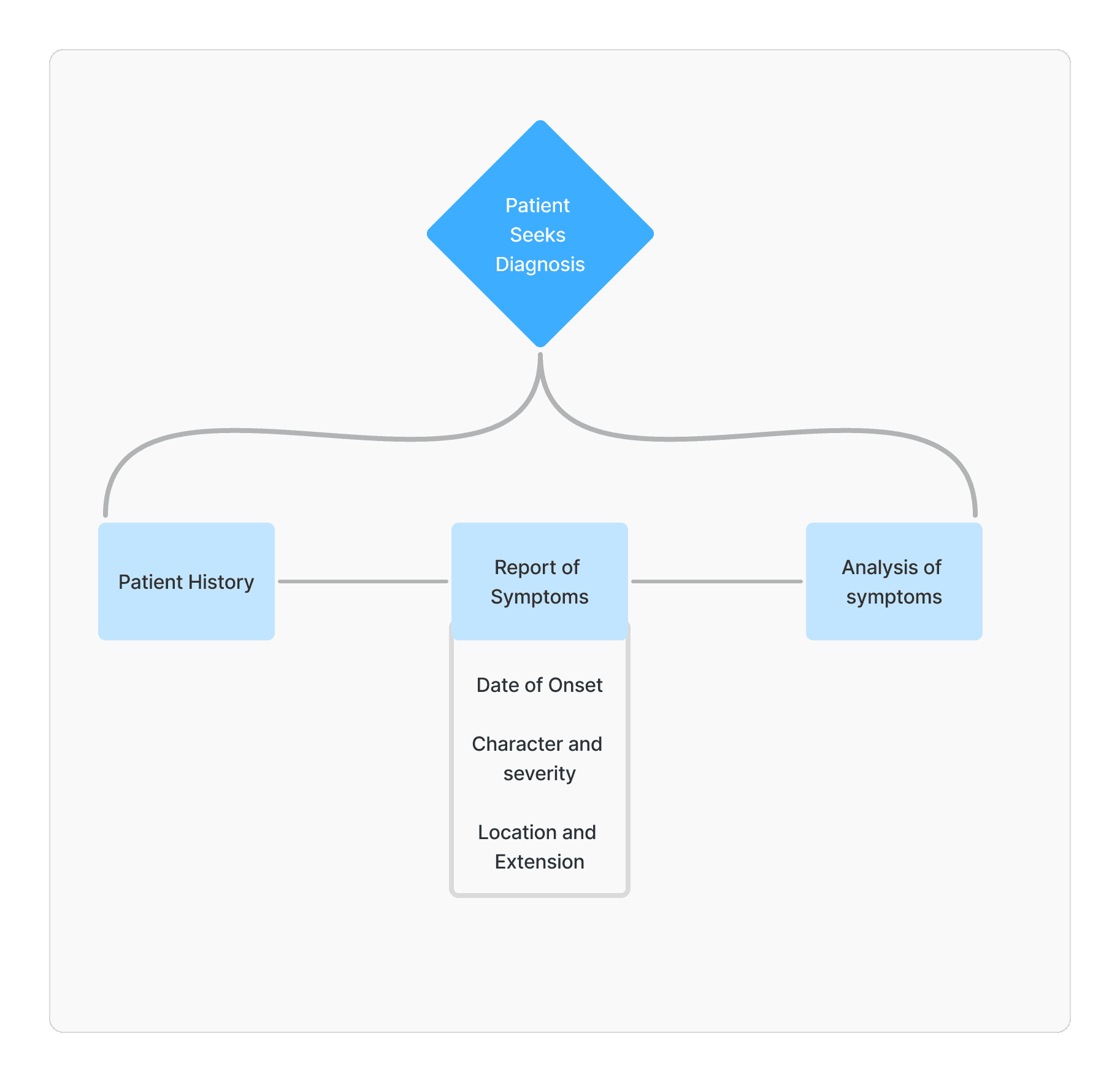
Initial Patient Touchpoint
b. How does Physical Therapy Treatment Work?
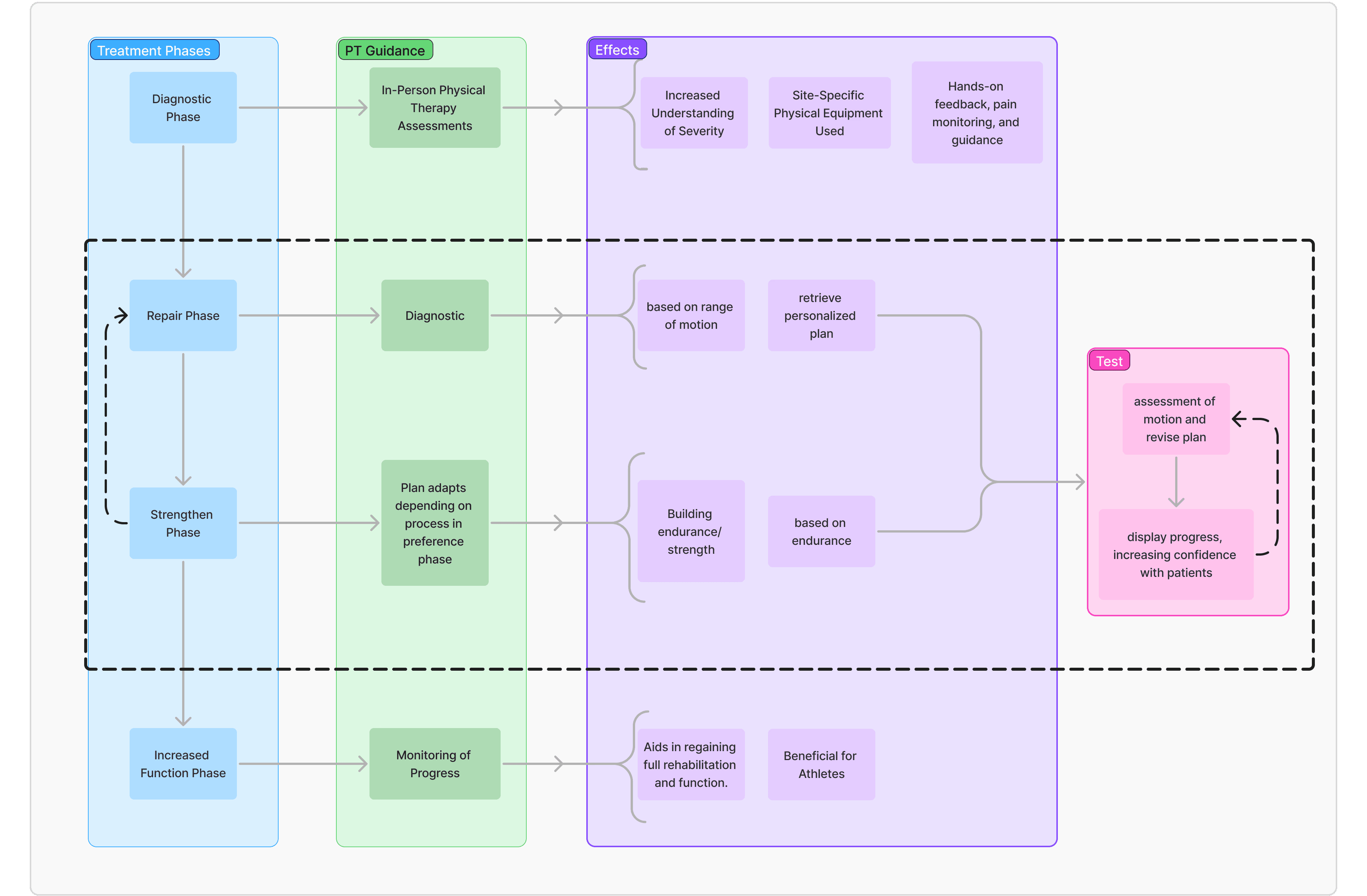
Treatment Outline
Where can technological interventions be applied to facilitate a holistic approach of care in PT Interventions?
RESEARCH
Identifying Opportunity Gaps
Who are the Stakeholders?
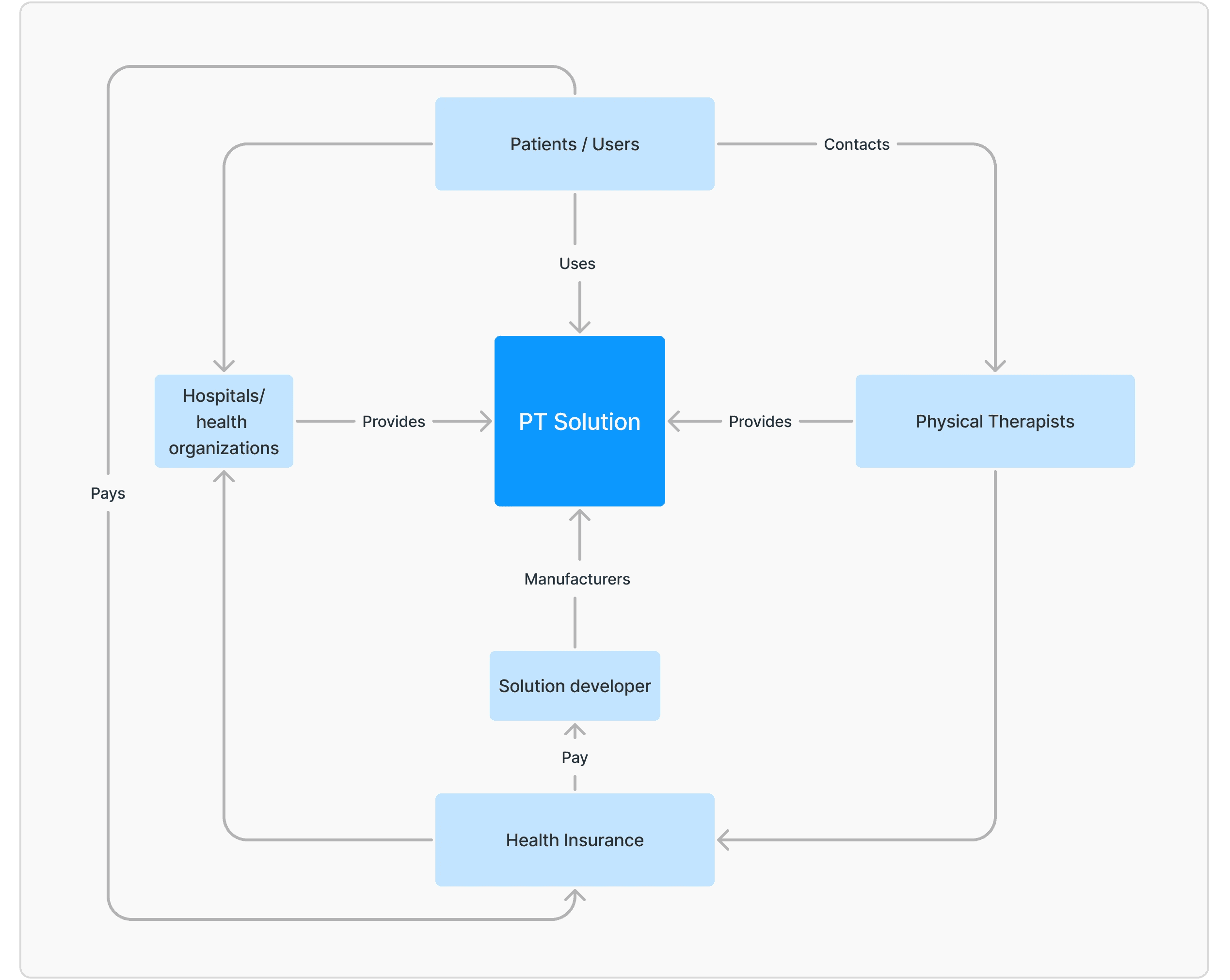
Stakeholder Analysis
b. Who Are We Designing For?
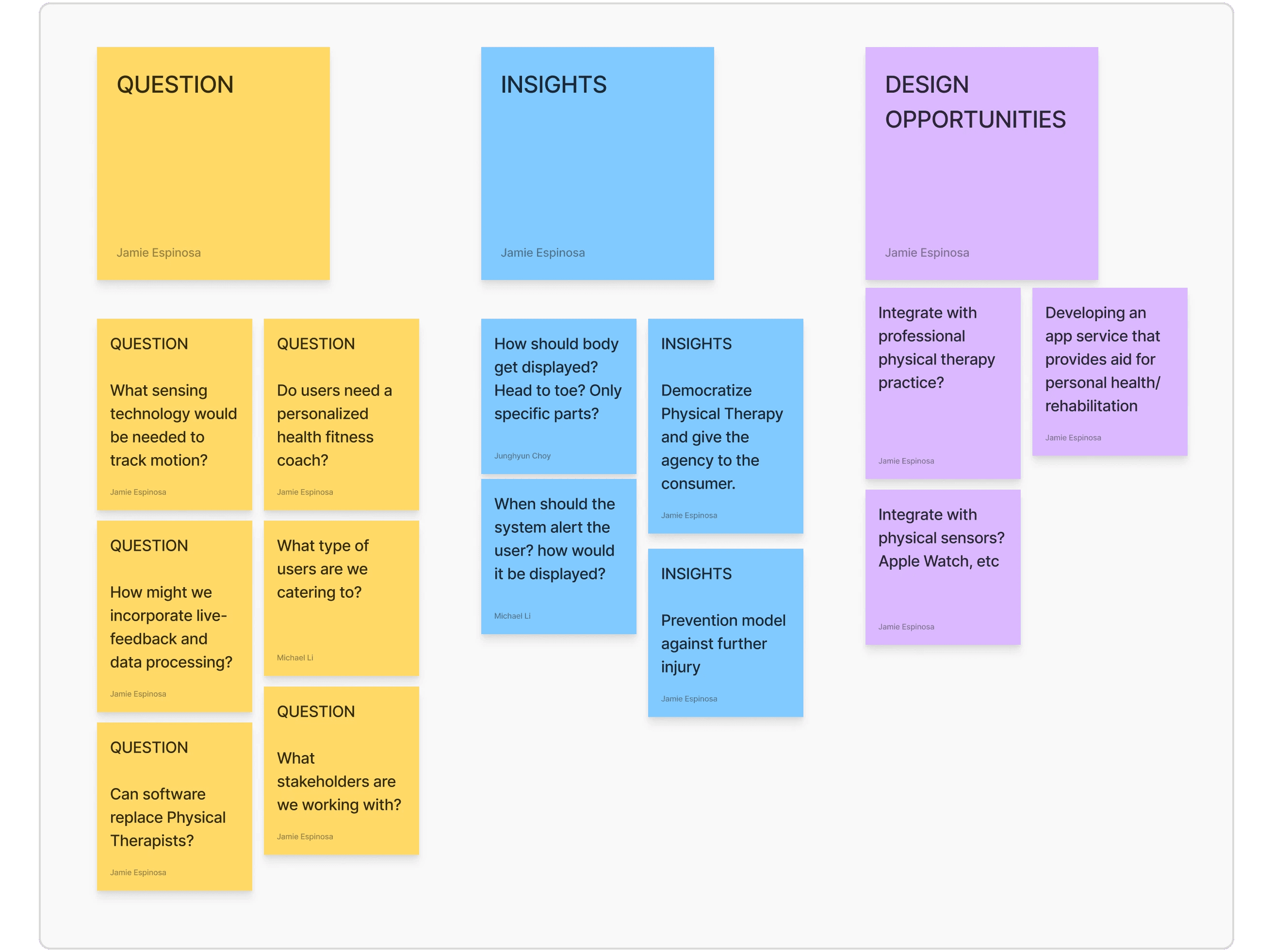
Identifying who we should design for
Is telehealth a reliable method for physical therapy treatment?
At-Home Physical Therapy
What does the Literature Say?
Low Engagement
Engagement is a critical barrier to adherence in at-home rehabilitation
Missing Feedback
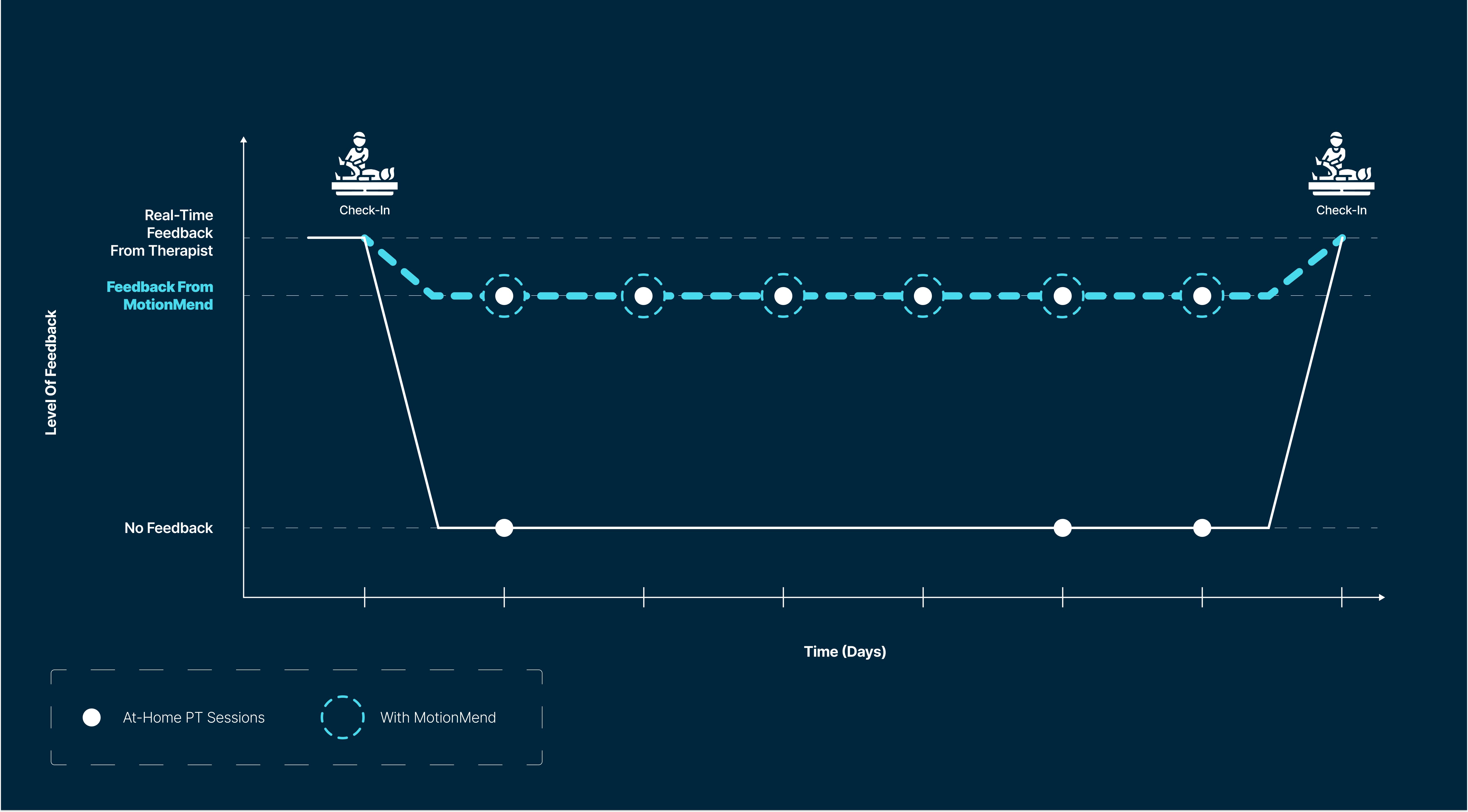
Lack of real-time feedback leads to ineffective or incorrect recovery behaviors
Static Therapy
Static therapy plans fail to accommodate fluctuating patient conditions.
Barriers to Competent At-Home Care
b. Additional Considerations with At-Home Care
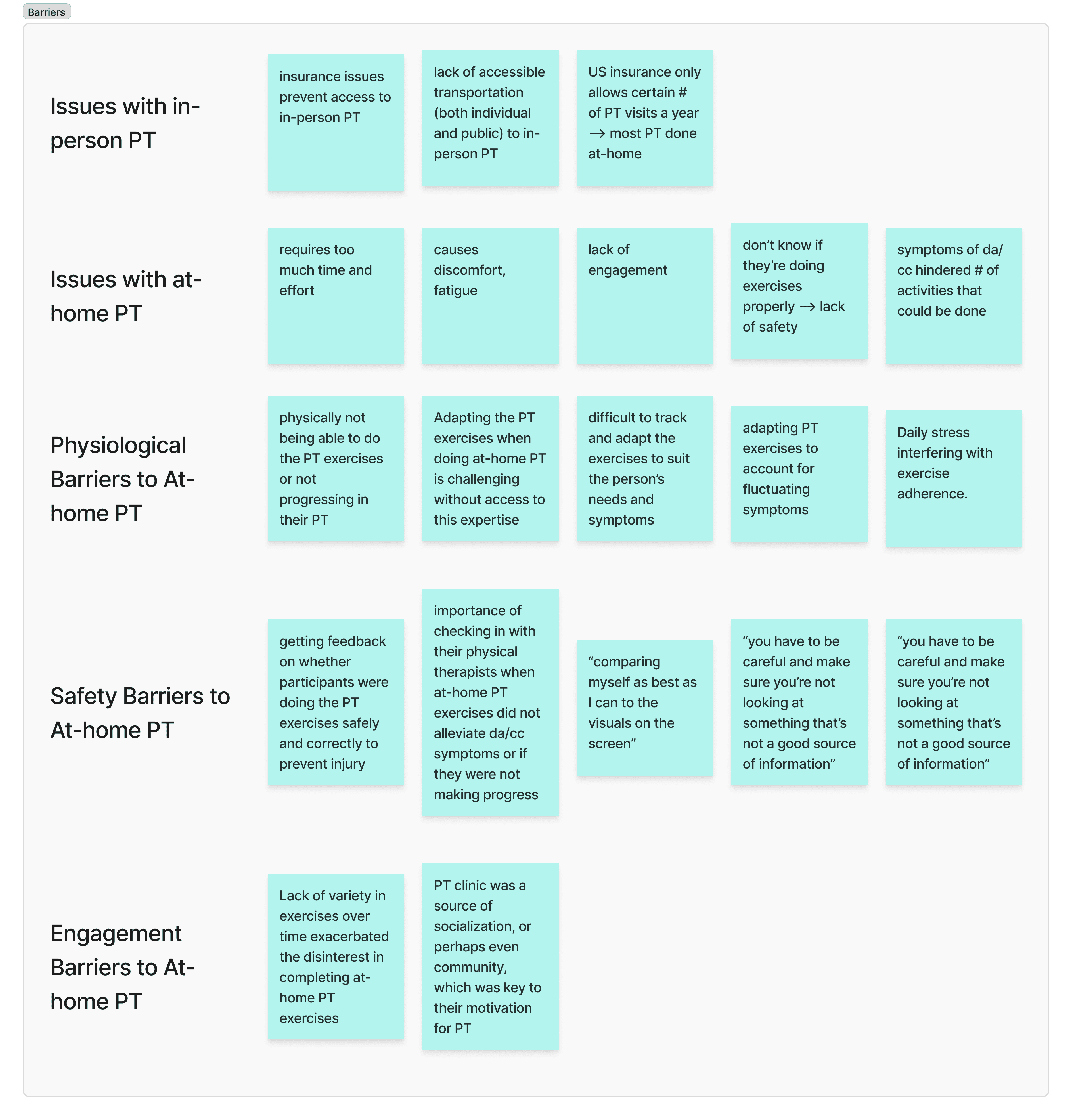
Barriers to Competent At-Home Care
How might we encourage patients to engage in at-home Physical Therapy sessions?
XR Technologies & At-Home Interventions
Why Spatial Computing?
Increased Engagement
By making exercises game-like and fun, spatial computing can fill the gap of low engagement and boost motivation at home.
Real-Time Feedback
Spatial computing (sensors + XR) can provide on-the-spot visual cues and personalized progress tracking, a capability missing in current tech.
Responsive Therapy
Spatial computing can similarly adjust exercises daily (or provide distraction when pain is high), meeting patients “where they are” symptom-wise.
b. How Does Spatial Computing Work?
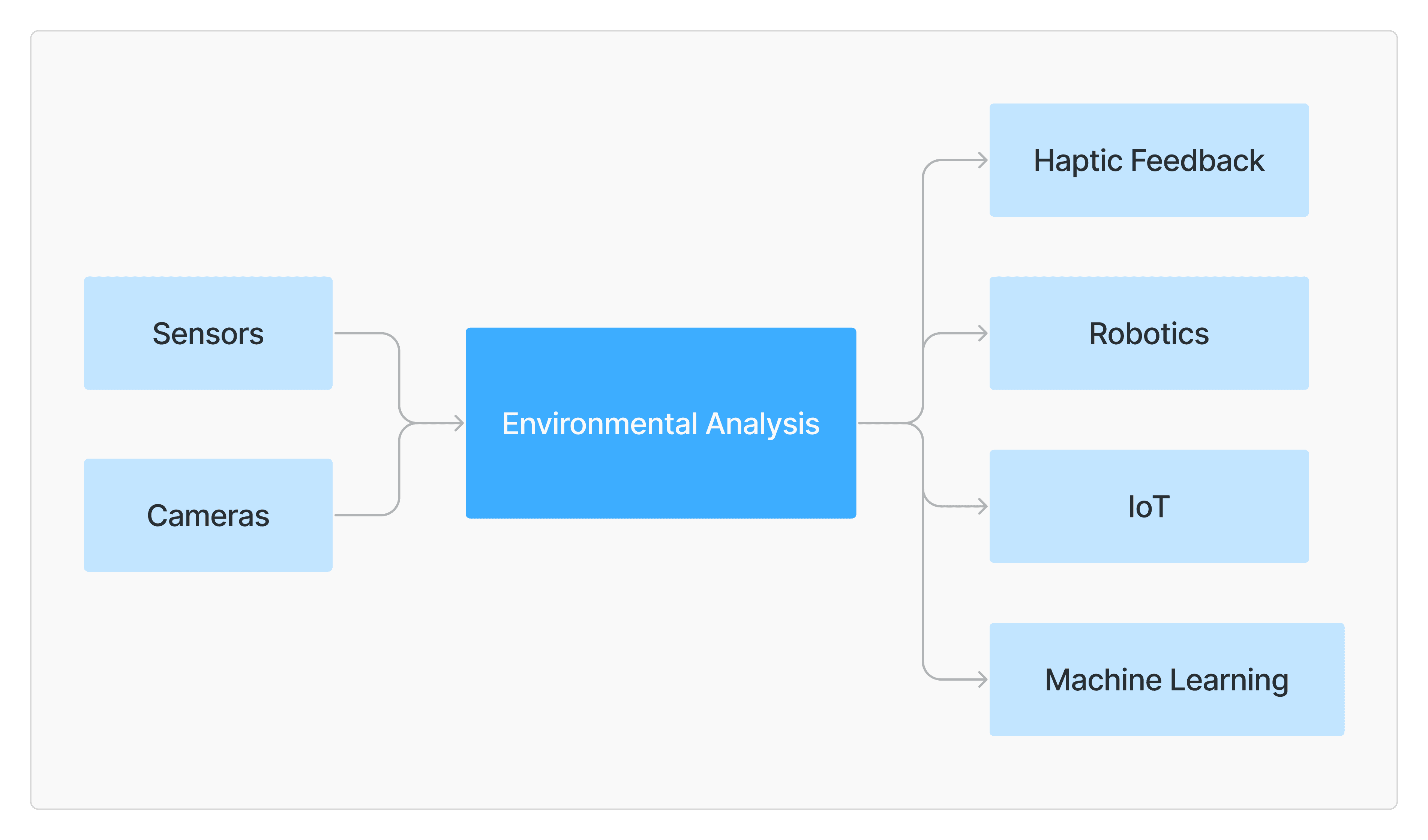
How might we democratize physical therapy and enhance patient agency using spatial computing technologies?
Storyboarding Scenarios
b. What Might This Product Look Like?
b. How Might Potential Interactions Work?
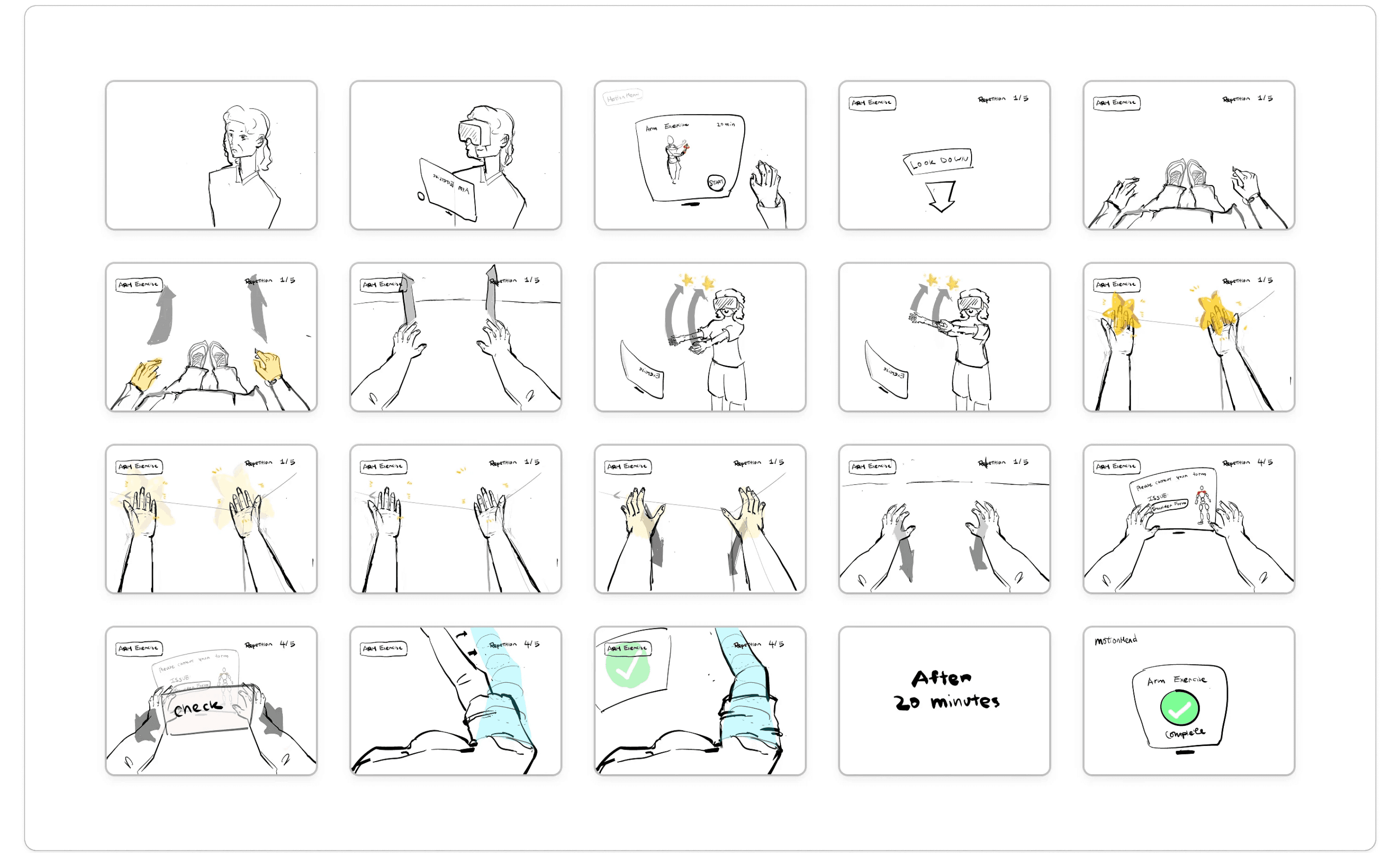
Research Conclusion
DESIGN SYSTEM
Visual Design
Component Library
Explore The Design System Above!
INTERACTIONS
Intervention & Haptics
IoT Sensors
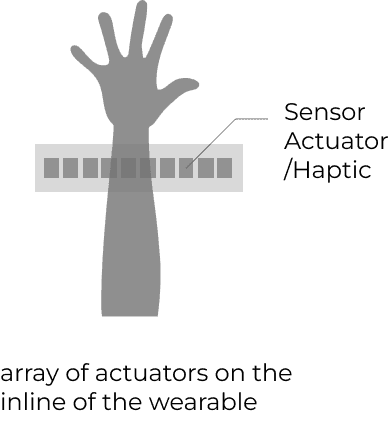
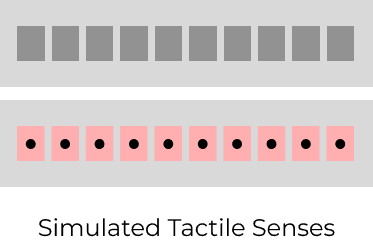
b. Haptic Intervention
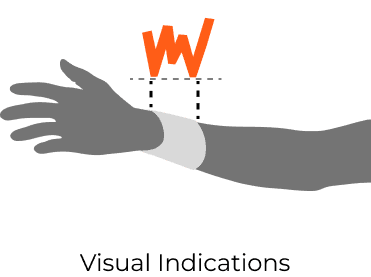
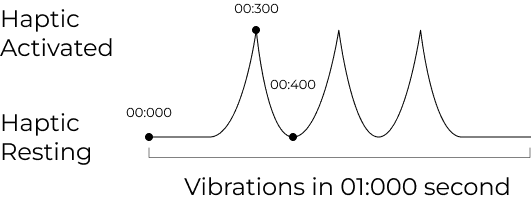
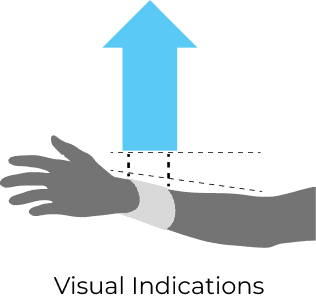
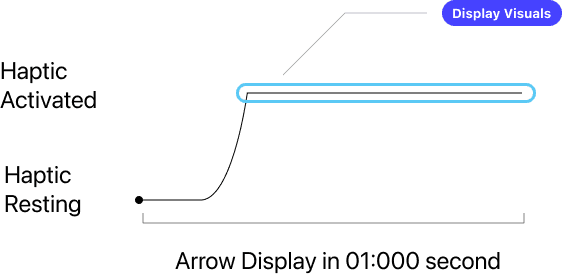
b. Directional Guidance
NEXT STEPS
Refining the Technology Ecosystem
While developing this product, aligning cross-sector technologies within the healthcare industry was essential. However, as emerging technologies such as XR and IoT sensors advance, questions around their most effective applications became increasingly significant. Refining the positioning of emerging technologies within healthcare is worth exploring.
Implementation of AI
As artificial intelligence continues to rise in prominence, how might it be utilized in healthcare solutions? Further research into domain systems is necessary to identify the role of an agent within the doctor-patient relationship. How would AI aid in the development of at-home physical therapy?
Accessibility is of Concern
Without real-time feedback, at-home adherence of physical therapy treatments diminish reducing motivation and patient accountability.
REFLECTION
The Necessity of Research
This was my first experience working with XR technologies, which demanded a significant amount of research within a limited timeframe. Without understanding the technological limitations and system processes, our design efforts for users would have been unfocused and less holistic.
Technology Limitations as Design Constraints
By understanding our domain thoroughly, the limitations of this rapidly evolving tech for both wearables and AR highlighted the range of possibilities. Identifying our limitations was incredibly helpful in identifying where are design constraints resided, resulting in a more cohesive real-world solution.
Utilizing Emerging Technologies
This project pushed our team to envision the integration of future technology within the existing business domains. As our relationship towards tech evolves, being equipped with an understanding of how to design utilizing emerging technology is now central to my work as a designer.