
Songs of the Sea
Learn About Ocean Habitats
Build Your Own Sea-Orchestra
Click Play to Hear the Symphony!
Learn What Makes a Healthy Ecosystem
Discover Sea Creature Needs
CONTEXT
Why Sealife?
We focused on marine ecosystems because of their critical role in regulating climate systems and their frequent misrepresentation as silent environments. This misconception provided an opportunity to introduce ocean literacy through sound.
An Estimated
50 Million
Active Bumble Users
Only
2.73 Million
Users are subscribed to premium
Nearly a
40% Drop
in conversion for non-dating modes
Sound & Marine Biology
Build the understanding that sound and marine ecosystems’ health can be directly responsible to their balance.
How are Sounds & Marine Biology Connected?
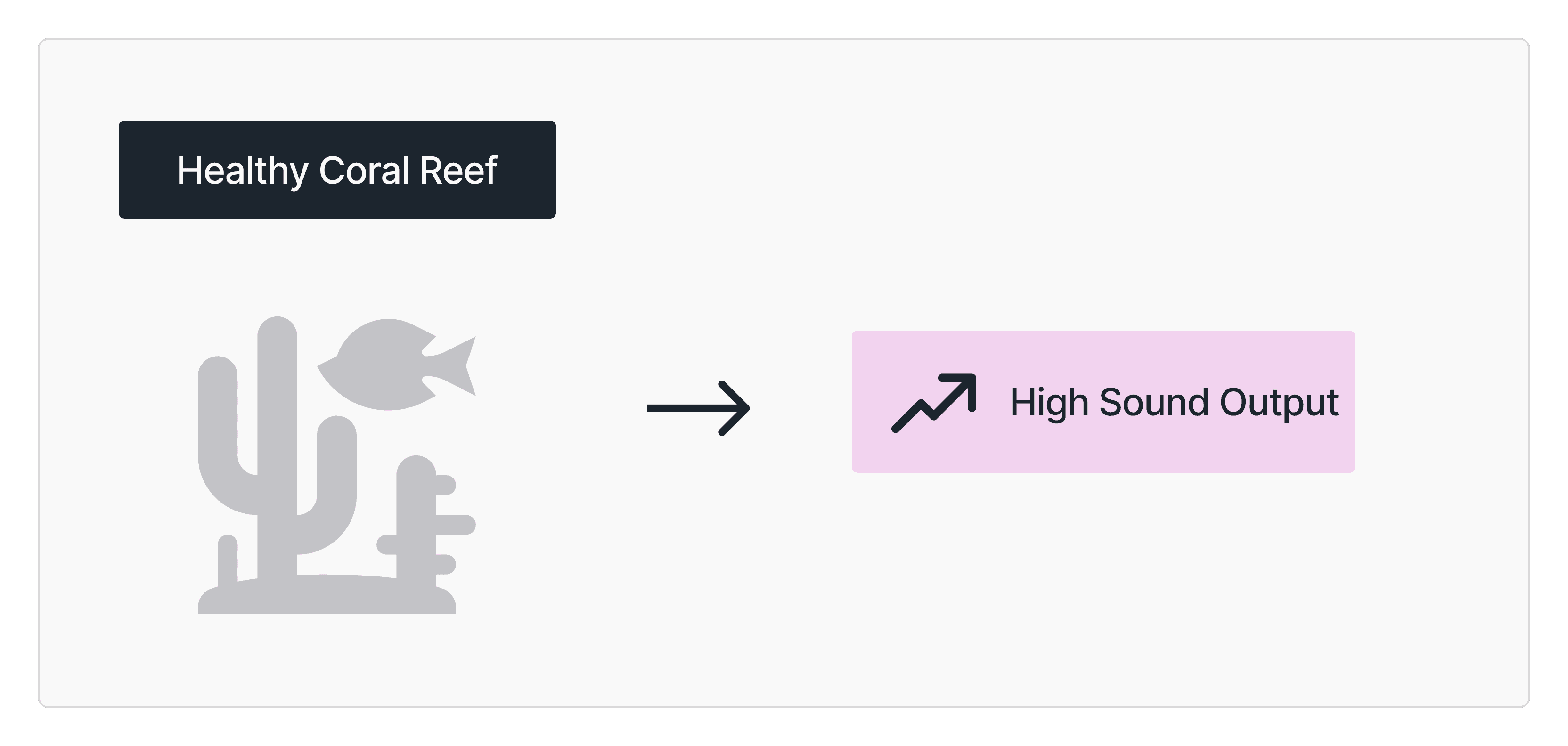
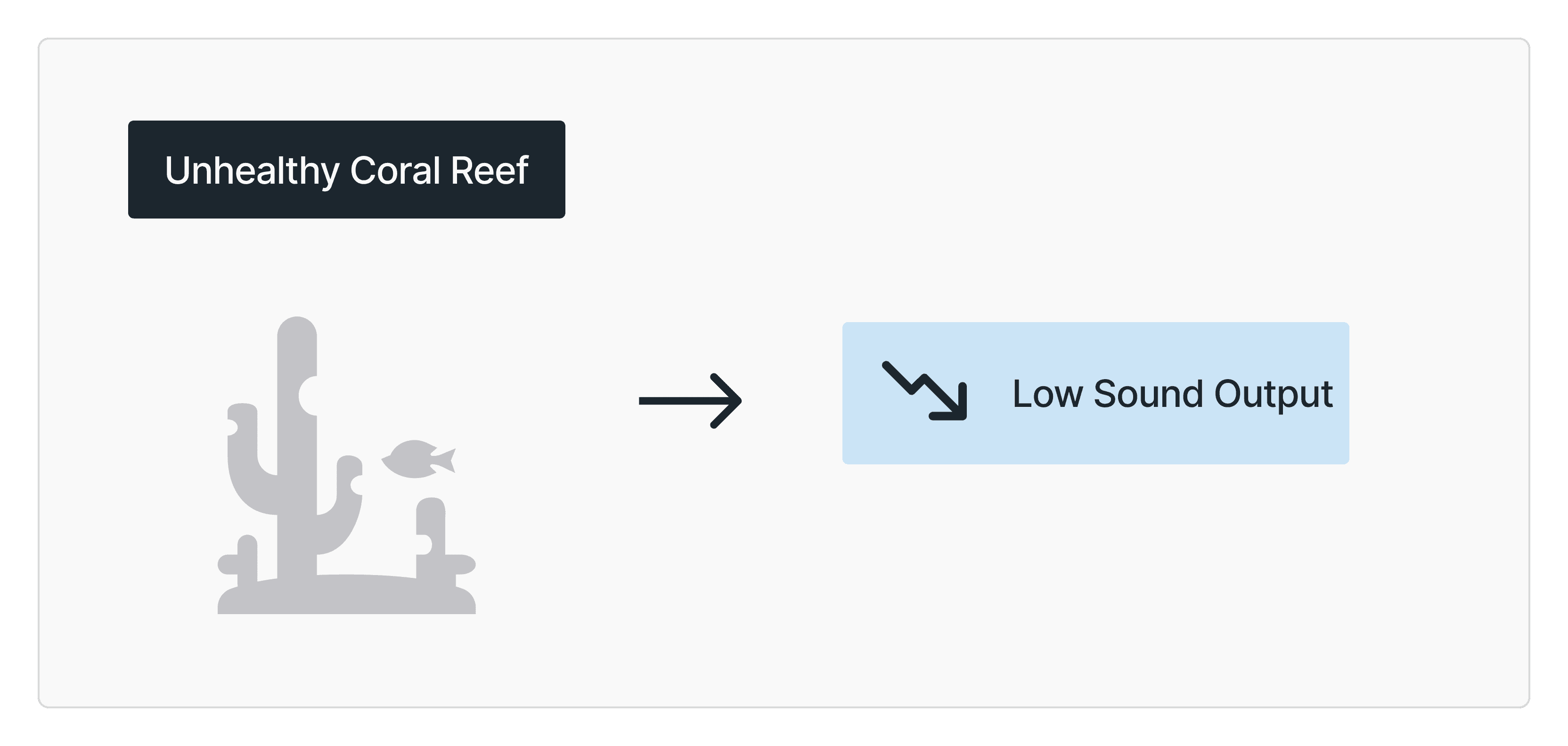
Teaching Children Marine Literacy
Why Children?
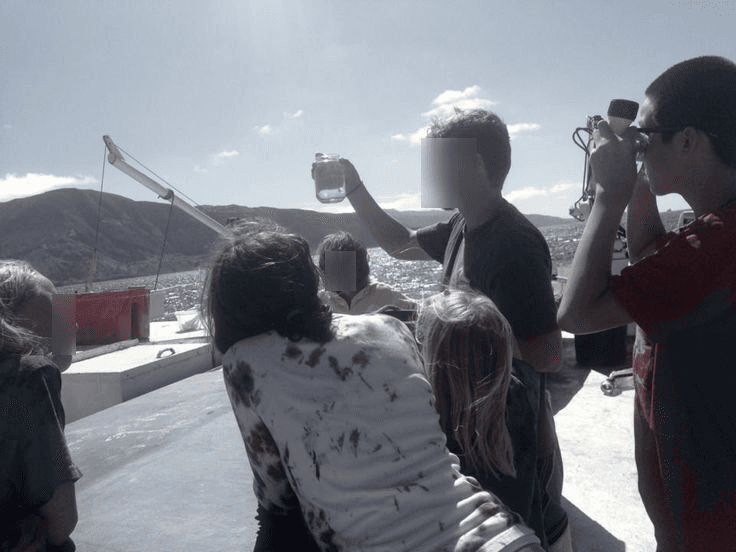
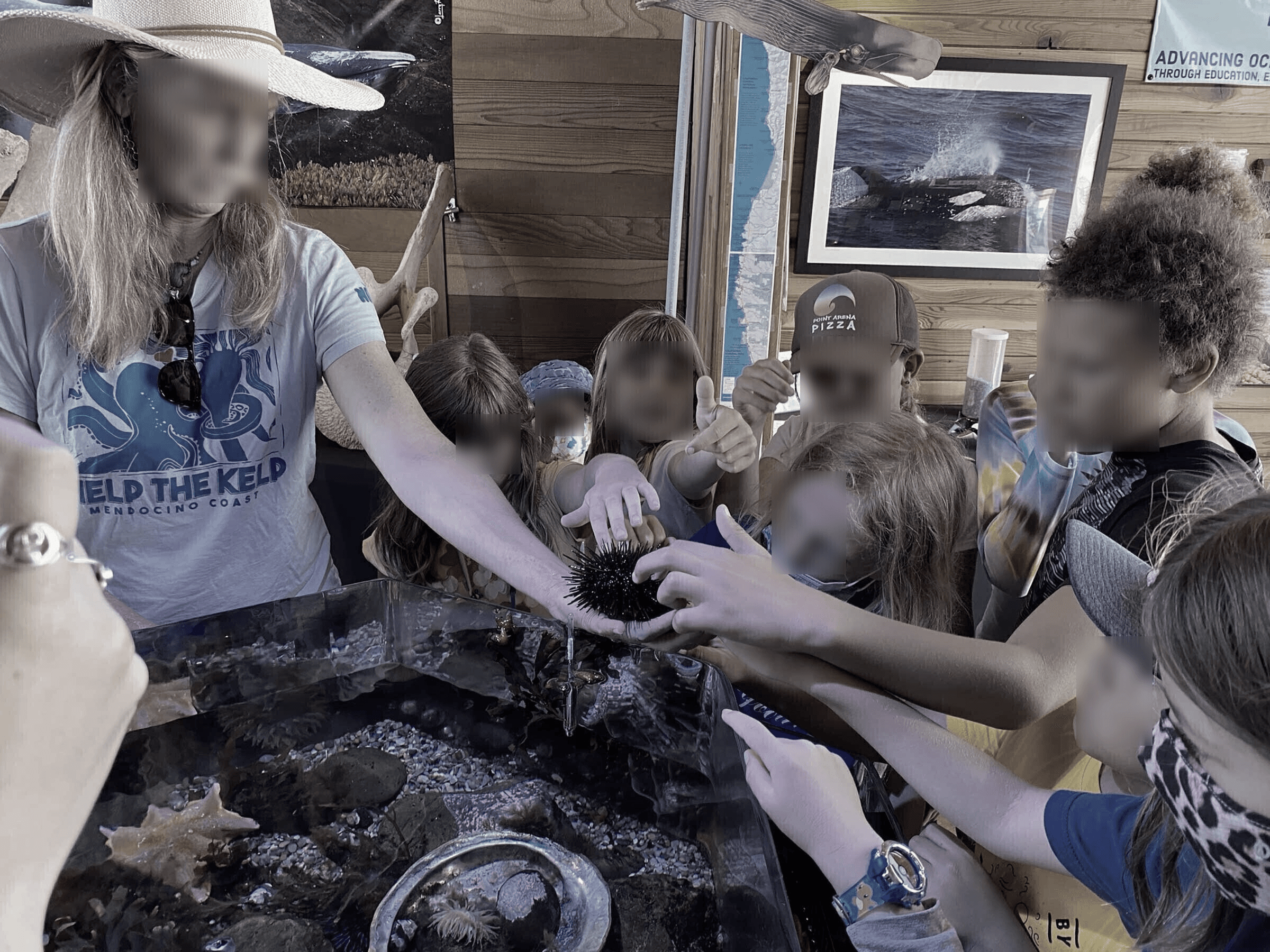
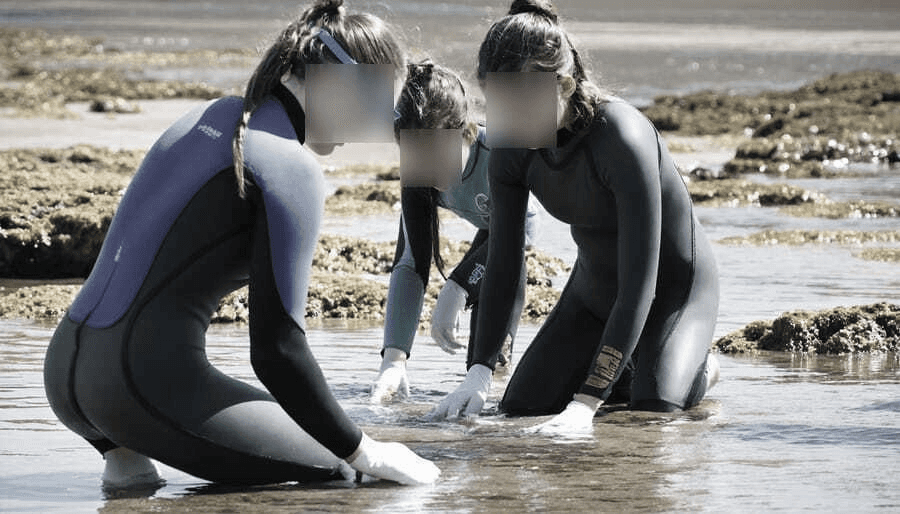
b. How Might Auidences Learn About This?
Metacognition
Empower the player to self-reflect and self-correct. Engage the player in their own learning experience.
Temporal Contiguity
Present complementary audio and visual elements at the same time to encourage the player to form a connection between the two stimuli.
Active Preconceptions
Prompt players to examine what they already know (or think they know) to help contextualize new material.
How might we teach children the value of maintaining marine biological health?
RESEARCH
Competitive Analysis
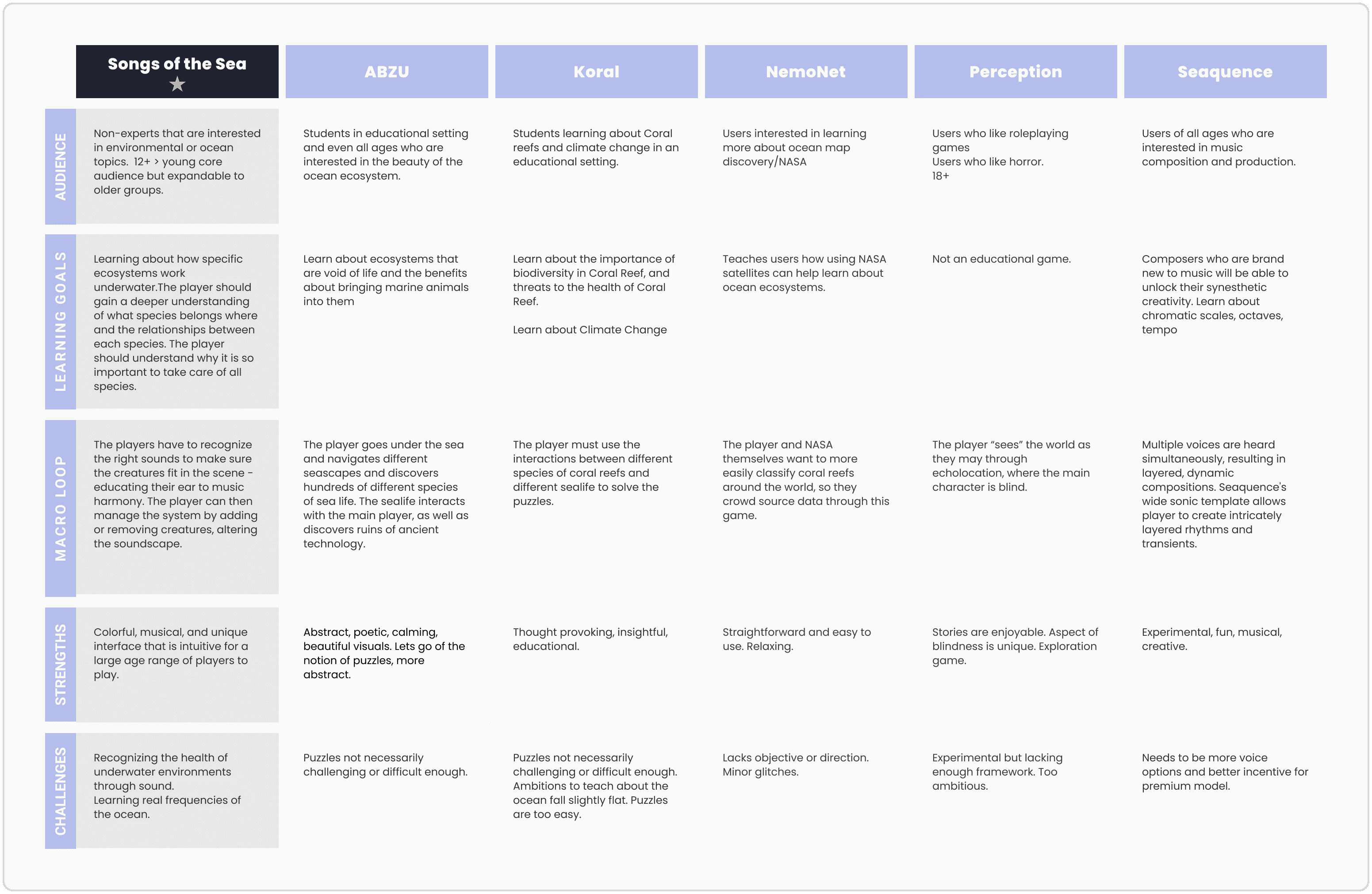
Product Opportunity Mindmap
Exploring Coral Reef Soundscapes
Reviewing the Natural Marine Sounds Database
b. Mapping A Sonification System
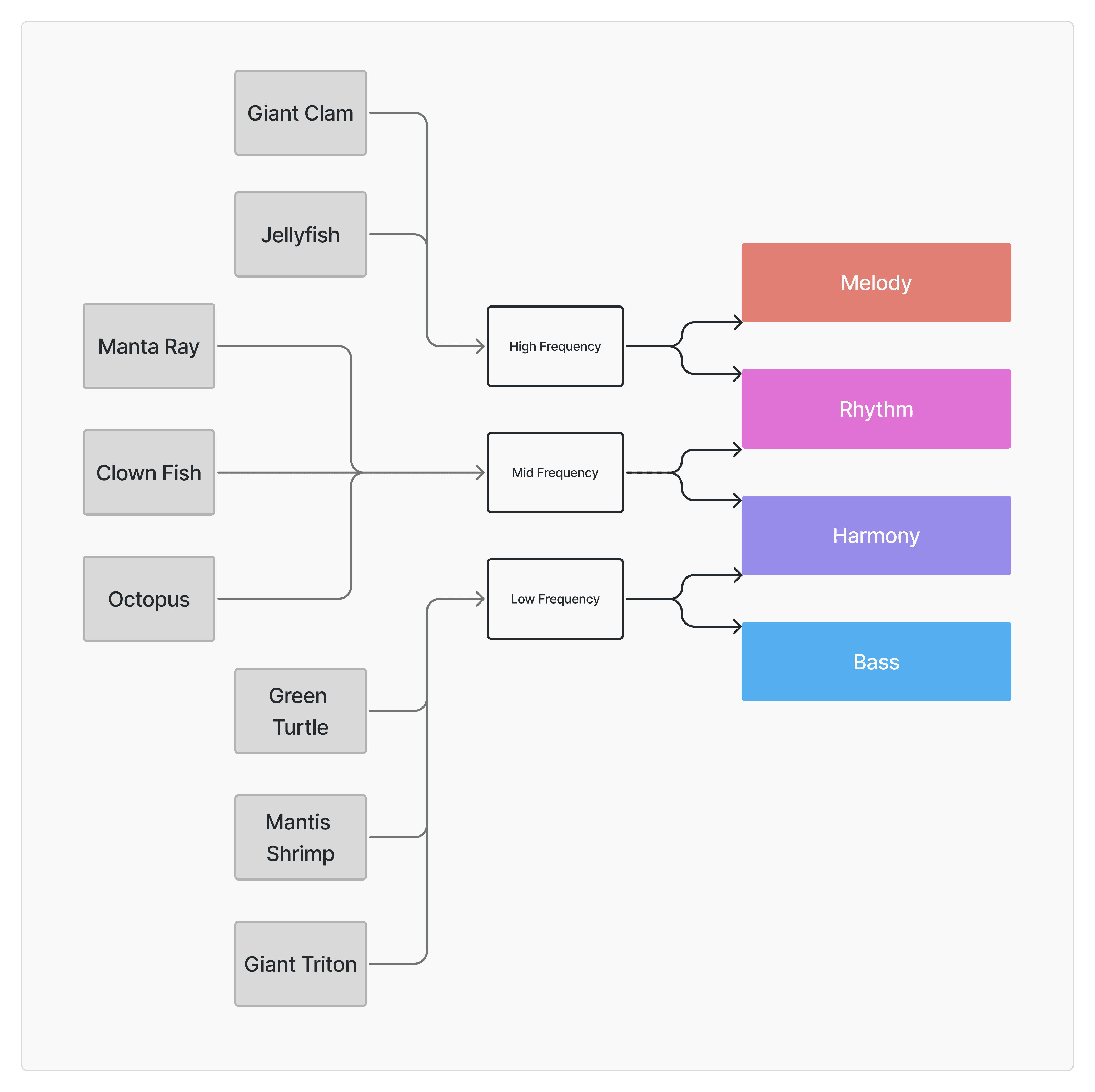
Frequency Mapping
Research Conclusion
ART DIRECTION
Art Direction
Color Palette

Primary Colors

UI Palette
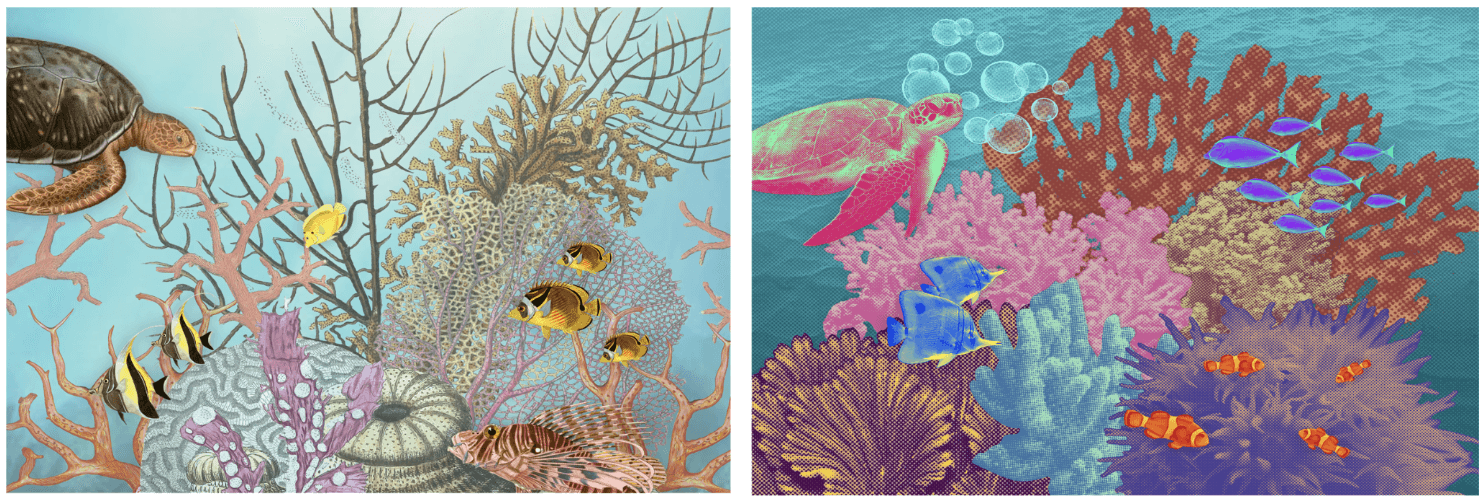
b. Hand-Drawn Illustration Style
PLAYTESTING
Playtesting & Further Iterations
Build the understanding that sound and marine ecosystems’ health can be directly responsible to their balance.
Playtesting 01 - Paper
Playtesting 01 - Insights
Playtesting 02 - Unity Vertical Slice
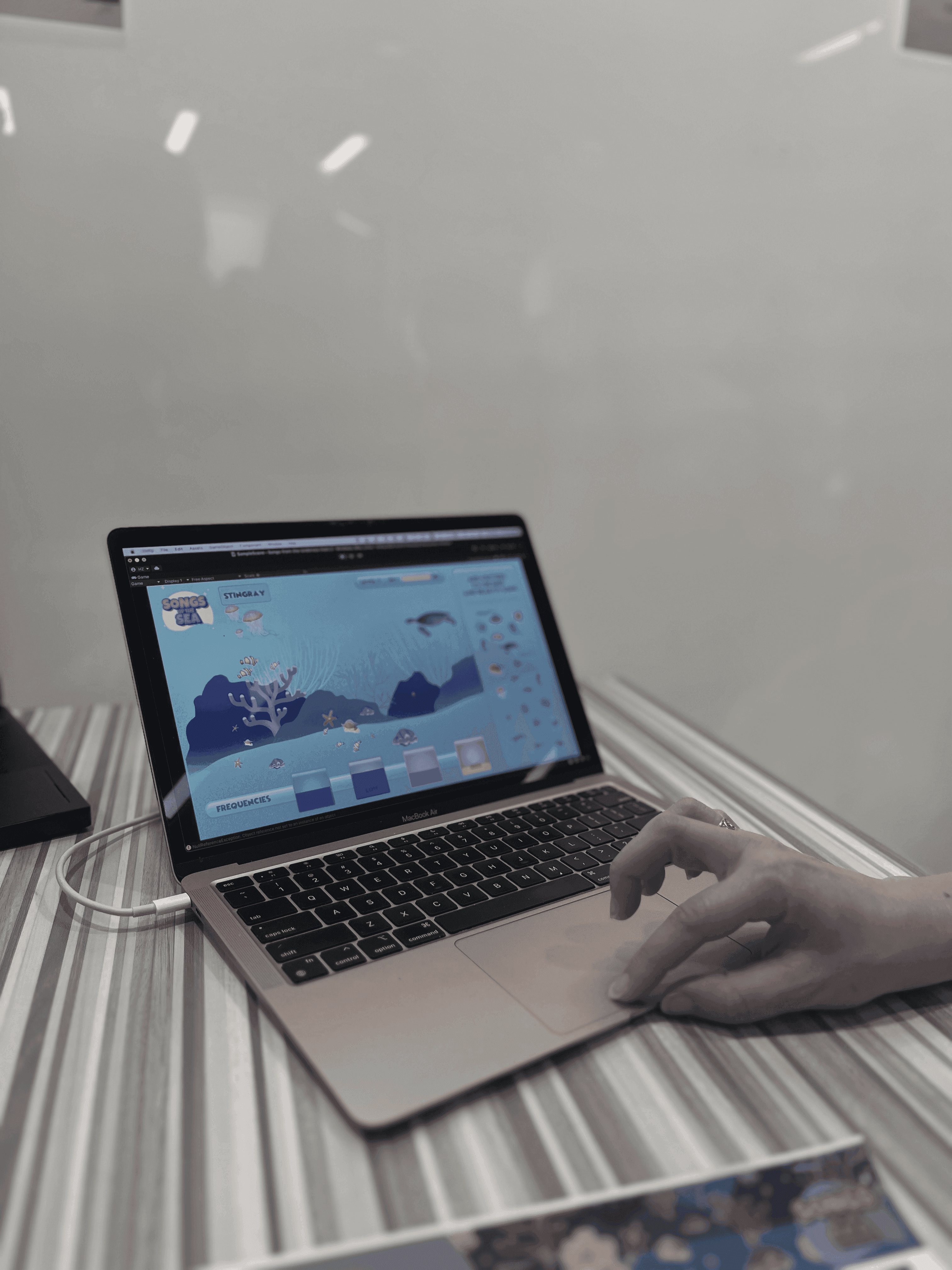
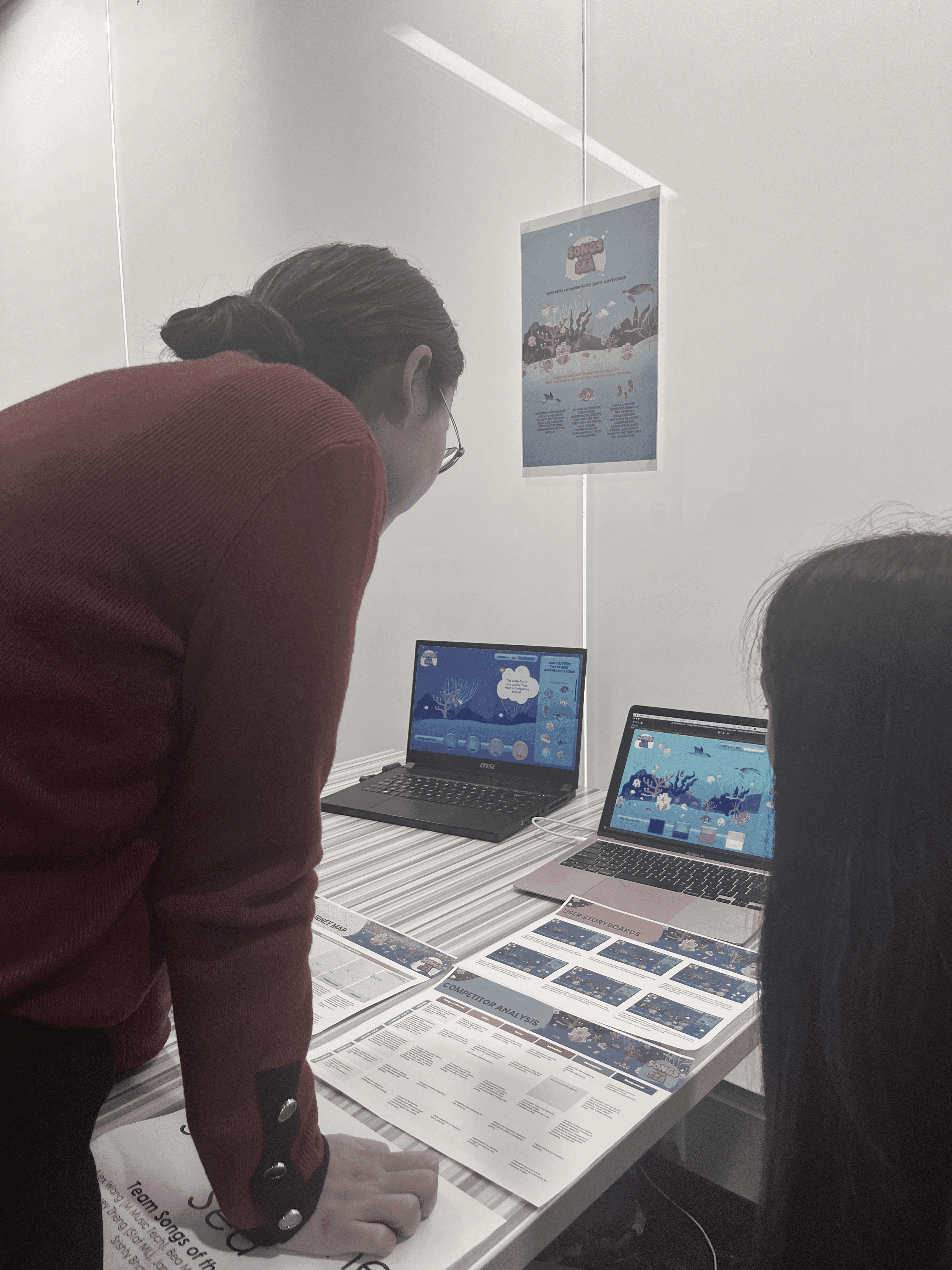
Playtesting 02 - Insights
NEXT STEPS
Expand Playtesting Across Learning
Additional user playtesting is needed to better understand how different audiences interpret the game’s sound-based mechanics and educational goals. Future testing should focus on onboarding clarity, accessibility of audio cues, and how effectively players connect ecosystem balance with the evolving soundscape over longer play sessions.
Further Develop Core Gameplay Loop
The current prototype establishes a strong emotional tone, but the core interaction loops require further refinement to create clearer progression and decision-making. Future iterations should focus on balancing ecosystem management, feedback systems, creature relationships, and environmental events to ensure the gameplay feels intuitive, rewarding, and educationally meaningful.
REFLECTION
Designing Alongside Developers
Working closely with developers throughout the project highlighted how critical early collaboration is when designing interactive systems. Many mechanics that felt straightforward in Figma required significant technical consideration once implemented in Unity, reinforcing the value of designing with development constraints, system logic, and implementation feasibility in mind from the start.
Figma vs Build-Ready Design
This project deepened my understanding of the gap between interface-level prototyping and production-ready game systems. While Figma was effective for communicating flows and visual direction, translating those ideas into functional gameplay required more detailed thinking around states, transitions, feedback systems, and player interaction logic within an actual game engine.
Designing for Systems Within Unity
The project revealed the need for a more fully defined gameplay system before implementation. Building interactions within Unity exposed how interconnected mechanics, audio systems, environmental states, and player feedback loops must work together cohesively. Moving forward, I would prioritize earlier system mapping and gameplay documentation to better support scalable iteration and smoother development workflows.